Festival Porta Potties
Crowd-ready portable restrooms in Cranford, NJ.
- ✓ Rapid Deployment
- ✓ High-Capacity Layouts
- ✓ Flexible Servicing
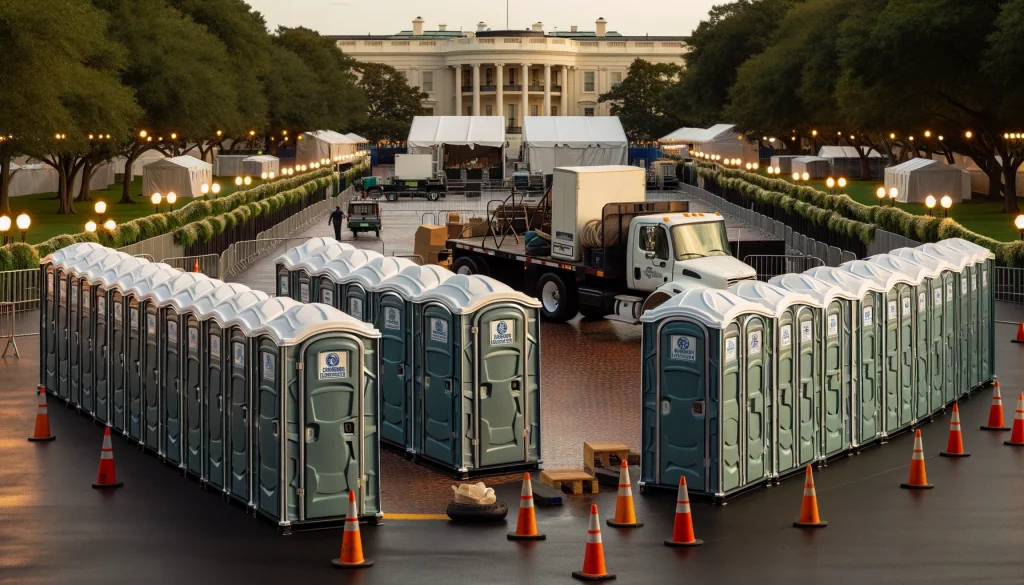
Crowd-ready portable restrooms in Cranford, NJ.
A festival restroom layout should follow the movement of people, not just the empty areas on a site map. Review where attendees enter, where lines naturally form, where food and beverage vendors are located, and where the main stage, activities, or attractions draw crowds. Restrooms placed near high-use zones can improve convenience, but they need enough separation from dining, vendor service areas, emergency lanes, and performance spaces. Consider more than one restroom zone for a spread-out festival, particularly when a single distant location would force attendees to walk across the whole site. SiteServe Site Services can discuss the information needed for a practical Cranford festival rental request. Attendance estimates should include expected peak periods. A steady daytime market, a short concert with a large arrival surge, and a family festival running from morning into evening all create different usage patterns. Food and drinks, alcohol service if applicable to the event, warm weather, and the number of children or families in attendance can also affect planning. Provide the anticipated total attendance, but explain how people will arrive and whether the site will remain active all day. That context is useful when discussing unit quantity and whether servicing during a longer rental may be needed. Access is another essential part of the plan. Delivery vehicles need a route that is kept free of booths, barricades, parked cars, and crowds. Establish a delivery window before road closures or vendor load-in makes the site difficult to reach. Identify soft ground, steep grades, narrow passages, overhead obstacles, and any area that must remain open for public safety operations. If accessible restroom accommodation is needed, include it in the initial discussion rather than adding it after the layout is set. A well-communicated map, a site contact, and a designated placement area give organizers a stronger starting point for clean and reliable portable restroom service.
Festival operations continue after units are delivered, so the restroom plan should include who will monitor conditions during the event. Assign a staff member or coordinator to know the locations, keep surrounding paths clear, and report a problem through the agreed contact method. For a multi-day event, discuss the schedule and expected intensity of use when asking about service frequency. A setup suitable for a short afternoon gathering may not be suitable for a festival that operates over consecutive days. Do not rely on a generic quantity rule alone; the event footprint, attendee flow, duration, and available access all matter. Weather can alter the plan quickly. Rain may soften a field or create puddles on guest routes, while heat can increase demand and change where attendees spend time. Choose firm placement areas when possible and keep approach paths in mind for wheelchairs, strollers, and guests carrying food or merchandise. If a festival runs after sunset, coordinate event lighting so people can find restroom locations and return safely to activity areas. SiteServe Site Services offers fast service and prompt, professional customer service for organizers who provide clear event details. Quote requests are most useful when they identify the festival dates, operating times, location, estimated crowd, requested unit count, delivery restrictions, and any anticipated servicing. If the map changes because of weather, vendor needs, or public safety requirements, communicate the revision before the delivery schedule whenever possible. Festival facilities should be practical, easy to locate, and managed as part of the guest experience. Careful advance planning reduces last-minute conflicts with vendors and vehicles, while a sensible layout helps keep busy public spaces more comfortable throughout the event.